
Blog
5 Foods for Suhoor and Iftar This Ramadan

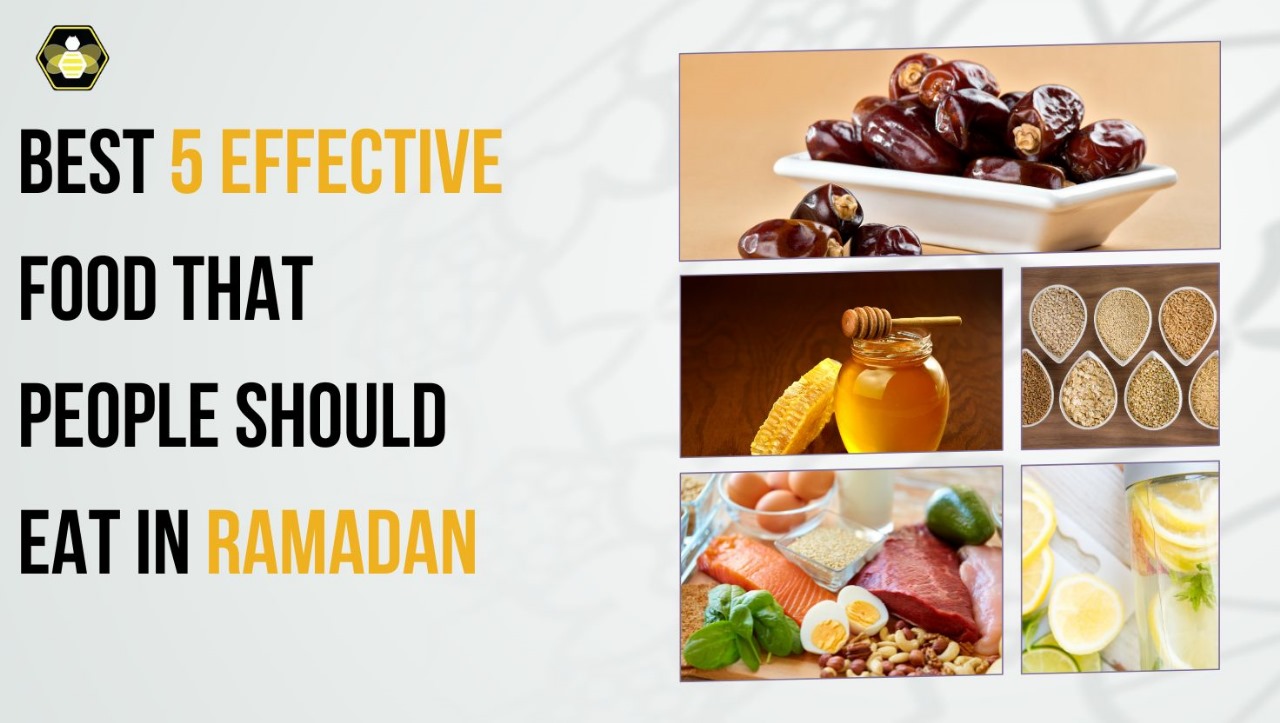
As Ramadan approaches, Muslims in Pakistan and around the world prepare for a month of fasting, reflection, and spiritual growth. What we eat at the pre-dawn meal (Suhoor) and the evening meal (Iftar) matters, and Ramadan Foods Pakistan are part of every family’s tradition. In this guide, we’ll look at five foods that work well at suhoor and iftar, including honey.
1. Dates: The Traditional Way to Break the Fast
Dates have long been the traditional food for breaking the fast, following the Sunnah.
Why dates work at iftar:
Quick energy: Dates are rich in natural sugars, a quick source of energy after a long day of fasting.
Essential nutrients: They contain potassium, fiber, and various vitamins and minerals.
Fibre: Dates contain natural fibre.
How to incorporate dates:
Break your fast with 2-3 dates and a glass of water
Add chopped dates to your suhoor oatmeal
Blend dates into smoothies for a natural sweetener
2. Raw Honey: The Golden Sweetener
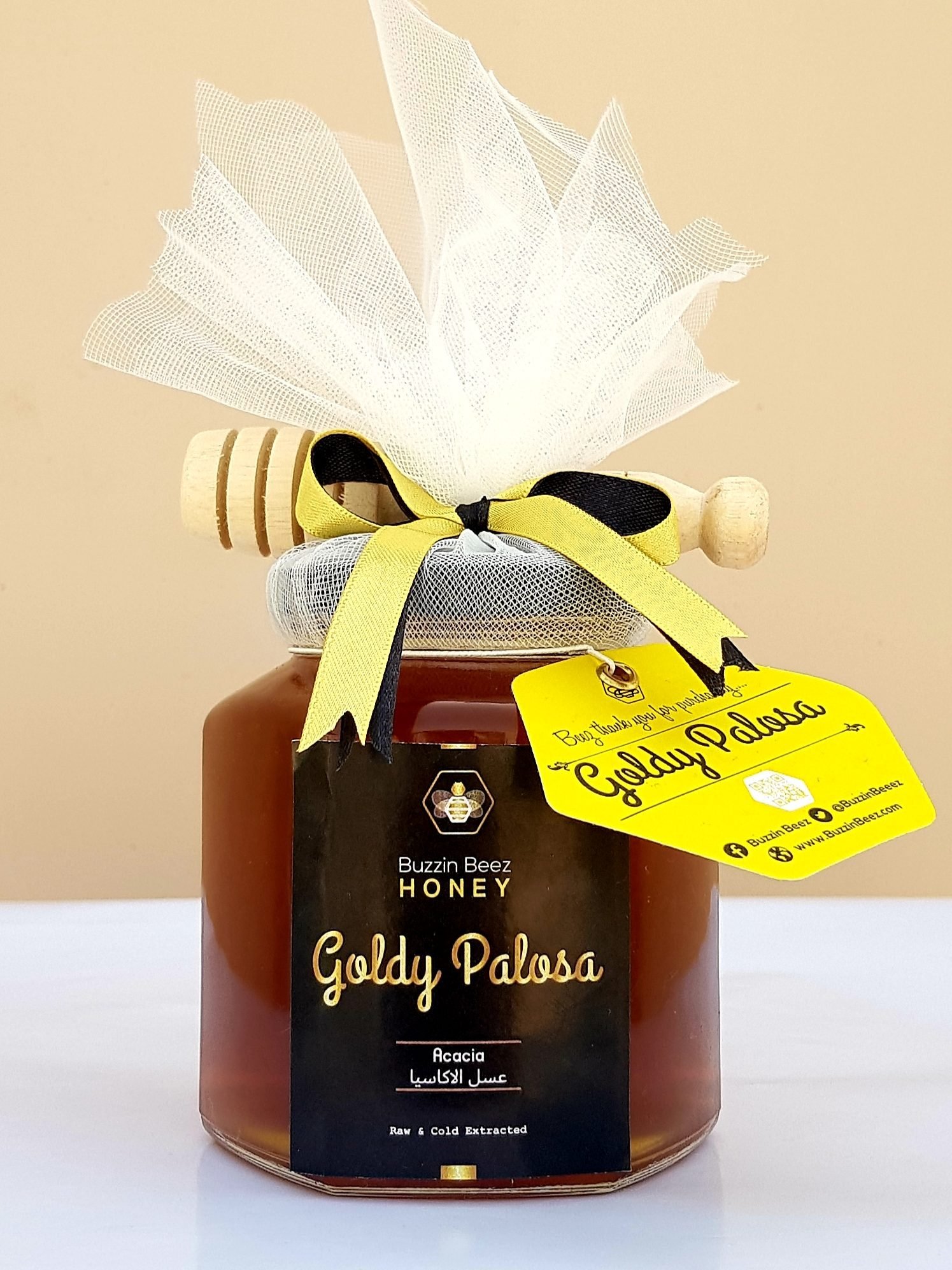
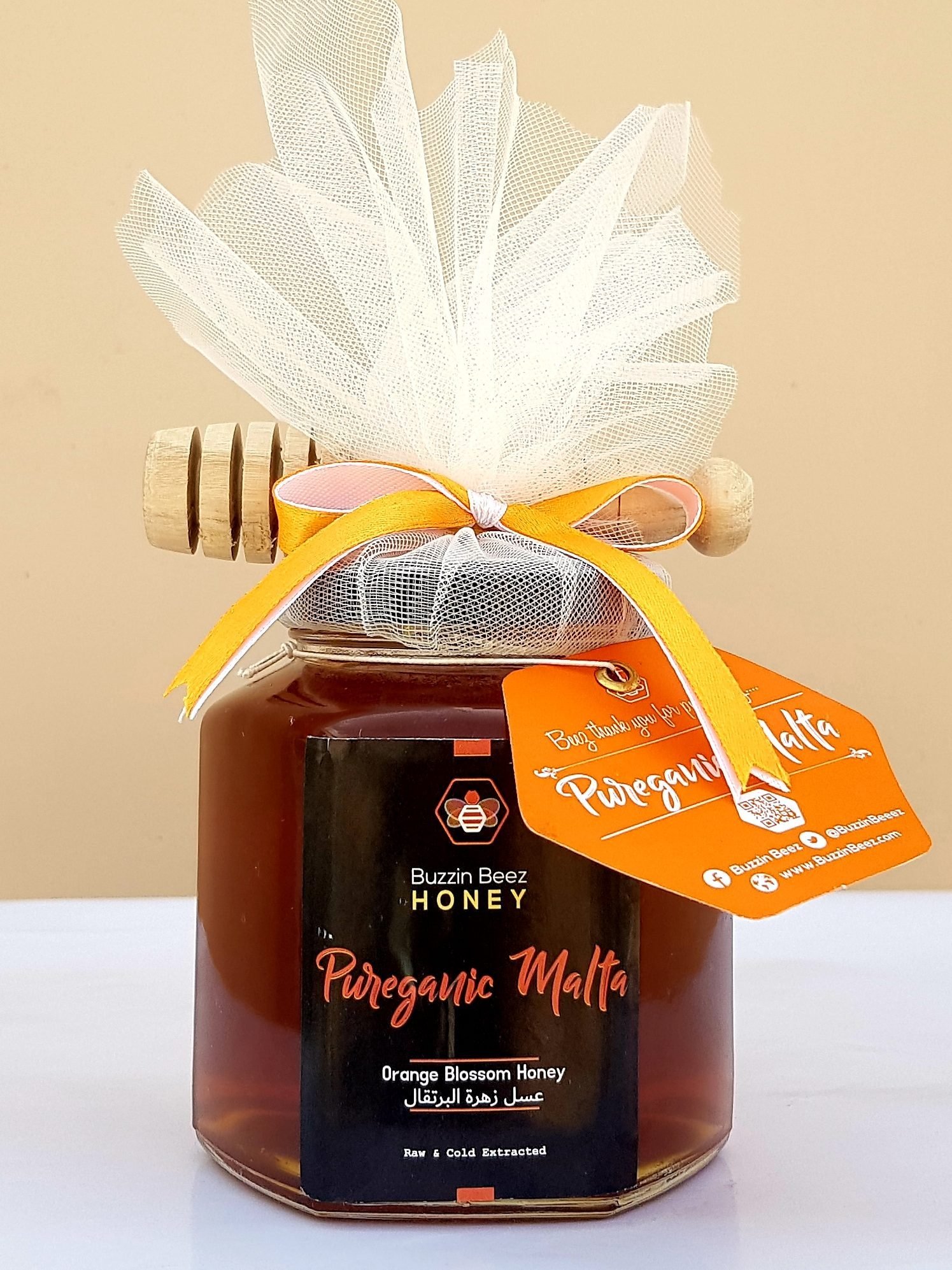
Raw honey is a natural sweetener with a long place in Ramadan traditions.
Why honey works at suhoor and iftar:
Natural energy: Honey’s natural sugars are a quick source of energy at suhoor and iftar.
Versatile: It sweetens drinks, porridge and desserts.
Flavour: Each variety, from Sidr to orange blossom, brings its own taste.
How to use raw honey:
Drizzle over whole grain toast or oatmeal during suhoor
Mix with warm water and lemon for a refreshing iftar drink
Use as a natural sweetener in desserts and smoothies
Why choose raw honey:
Raw honey is unheated and unblended, so it keeps its natural enzymes, pollen and flavour. When selecting honey, look for a named floral source and a brand that can tell you where its honey comes from. Honey is still a sugar, so enjoy it in moderation.
3. Whole Grains: Sustained Energy for Long Fasts
Incorporating whole grains into your Ramadan meals is essential for maintaining energy levels throughout the day, especially when considering the variety of Ramadan Foods Pakistan offers. In a country where traditional meals are rich and diverse, including whole grains ensures sustained energy for long fasts.
Why whole grains work at suhoor:
Slow-release energy: Complex carbohydrates in whole grains provide sustained energy, helping you feel fuller for longer.
Fibre-rich: Whole grains are filling and keep you going through the morning.
Nutrient-dense: Whole grains contain vitamins and minerals.
Best whole grain options:
Oatmeal
Brown rice
Whole wheat bread
Quinoa
Bulgur wheat
Suhoor recipe idea: Power-packed Oatmeal
Ingredients:
1/2 cup rolled oats
1 cup milk (dairy or plant-based)
1 tablespoon raw honey
1/4 cup mixed nuts and seeds
1/2 sliced banana
Instructions:
Cook oats with milk according to package instructions.
Stir in honey and top with nuts, seeds, and banana slices.
Enjoy a filling suhoor meal.
4. Lean Proteins: Essential for Muscle Maintenance
Including lean proteins in your Ramadan meals is crucial for maintaining muscle mass. Many popular Ramadan Foods Pakistan enjoys incorporate lean protein for this reason. Protein helps prevent muscle breakdown during fasting
Why lean proteins work:
Muscle preservation: Protein helps prevent muscle breakdown during fasting.
Satiety: Protein-rich foods keep you feeling full for longer periods.
Essential nutrients: Lean proteins provide important vitamins and minerals.
Best lean protein sources:
Grilled or baked chicken
Fish (such as salmon or tilapia)
Eggs
Lentils and beans
Low-fat dairy products
Iftar recipe idea: Grilled Chicken and Vegetable Skewers
Ingredients:
500g boneless chicken breast, cubed
1 bell pepper, chopped
1 zucchini, sliced
1 red onion, quartered
2 tablespoons olive oil
2 tablespoons lemon juice
2 cloves garlic, minced
1 teaspoon each of cumin, paprika, and oregano
Salt and pepper to taste
Instructions:
Mix olive oil, lemon juice, garlic, and spices in a bowl.
Marinate chicken in the mixture for 30 minutes.
Thread chicken and vegetables onto skewers.
Grill for 10-12 minutes, turning occasionally.
Serve with a side of brown rice and a drizzle of raw honey.
5. Hydrating Fruits and Vegetables: Nature’s Thirst Quenchers
Staying hydrated during Ramadan is crucial, and incorporating water-rich fruits and vegetables can help maintain proper hydration levels.
Why hydrating fruits and vegetables work:
Natural hydration: High water content helps replenish fluids lost during fasting.
Vitamins and minerals: These foods provide important nutrients.
Fibre: Their fibre helps you feel full.
Best hydrating fruits and vegetables:
Watermelon
Cucumber
Tomatoes
Strawberries
Zucchini
Bell peppers
Hydrating Suhoor Smoothie Recipe
Ingredients:
1 cup watermelon, cubed
1/2 cup strawberries
1/4 cucumber, sliced
1 tablespoon raw honey
1/2 cup coconut water
Ice cubes
Instructions:
Blend all ingredients until smooth.
Adjust sweetness with honey if needed.
Enjoy a refreshing and hydrating start to your fasting day.
Ramadan Eating Tips
To make the most of your Ramadan meals, consider the following tips:
Balance is key: Aim for a balanced diet that includes a variety of foods from all food groups.
Portion control: Avoid overeating during iftar by starting with small portions and eating slowly.
Stay hydrated: Drink plenty of water between iftar and suhoor to maintain proper hydration.
Limit processed foods: Focus on whole, nutrient-dense foods rather than processed or fried items.
Include fibre-rich foods: Fruits, vegetables and whole grains keep you full.
Don’t skip suhoor: Eating a nutritious pre-dawn meal is essential for maintaining energy levels throughout the day.
Break your fast wisely: Start with dates and water, then wait a few minutes before consuming your main meal.
Include healthy fats: Such as nuts, seeds and olive oil.
Prepare in advance: Plan and prepare meals ahead of time to ensure you’re eating nutritious foods throughout Ramadan.
Listen to your body: Pay attention to hunger and fullness cues, and adjust your eating habits accordingly.
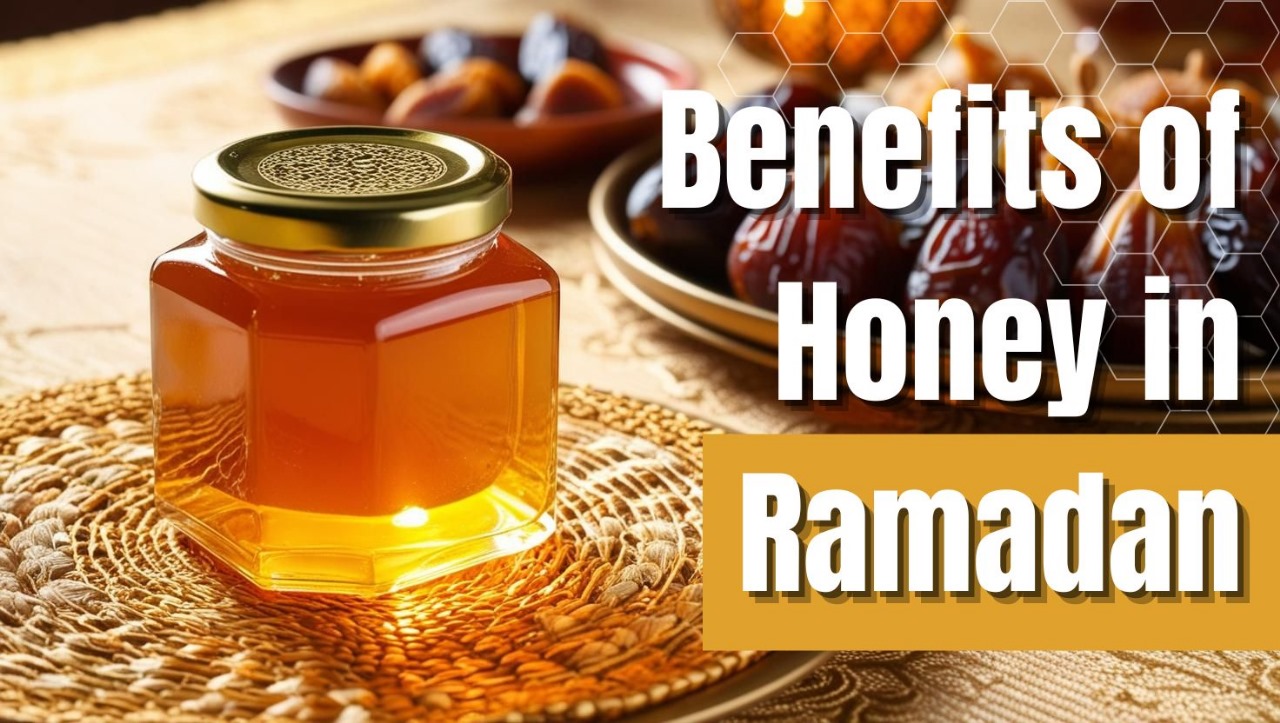
Honey in Ramadan
Raw honey is versatile and traditional, which is why it appears on so many Ramadan tables:
Natural energy source: The simple sugars in honey provide quick energy, making it ideal for both suhoor and iftar meals.
Sweetens drinks: Stir it into warm milk, lemon water or chai.
Sweetens breakfast: Drizzle over oats, yoghurt or paratha at suhoor.
Versatility: Honey can be used in various ways, from sweetening beverages to enhancing the flavor of dishes.
Traditional significance: Honey has been mentioned in the Quran and is considered a blessed food in Islamic tradition.
When choosing honey, opt for raw, single-origin honey with nothing added. Look for brands that tell you where their honey comes from.
Conclusion
Ramadan is a time of spiritual reflection and discipline, and also a time to share good food with family.
Honey is one of the most popular Ramadan foods in Pakistan.
By including these five Ramadan foods (dates, raw honey, whole grains, lean proteins, and hydrating fruits and vegetables) at suhoor and iftar, you can build balanced, satisfying meals for the whole month.
Consider also incorporating traditional Ramadan foods Pakistan loves, like pakoras and dahi bhallay, for a taste of local culture and added energy
Staying hydrated during Ramadan is important, and water-rich fruits and vegetables help. Read expert tips for staying hydrated during Ramadan. If you have a medical condition, speak with your doctor before fasting.
Visit Buzzinbeez.com for raw, single-origin honey for your Ramadan table.
May your Ramadan be filled with blessings, spiritual growth, and good meals with family. Ramadan Kareem!